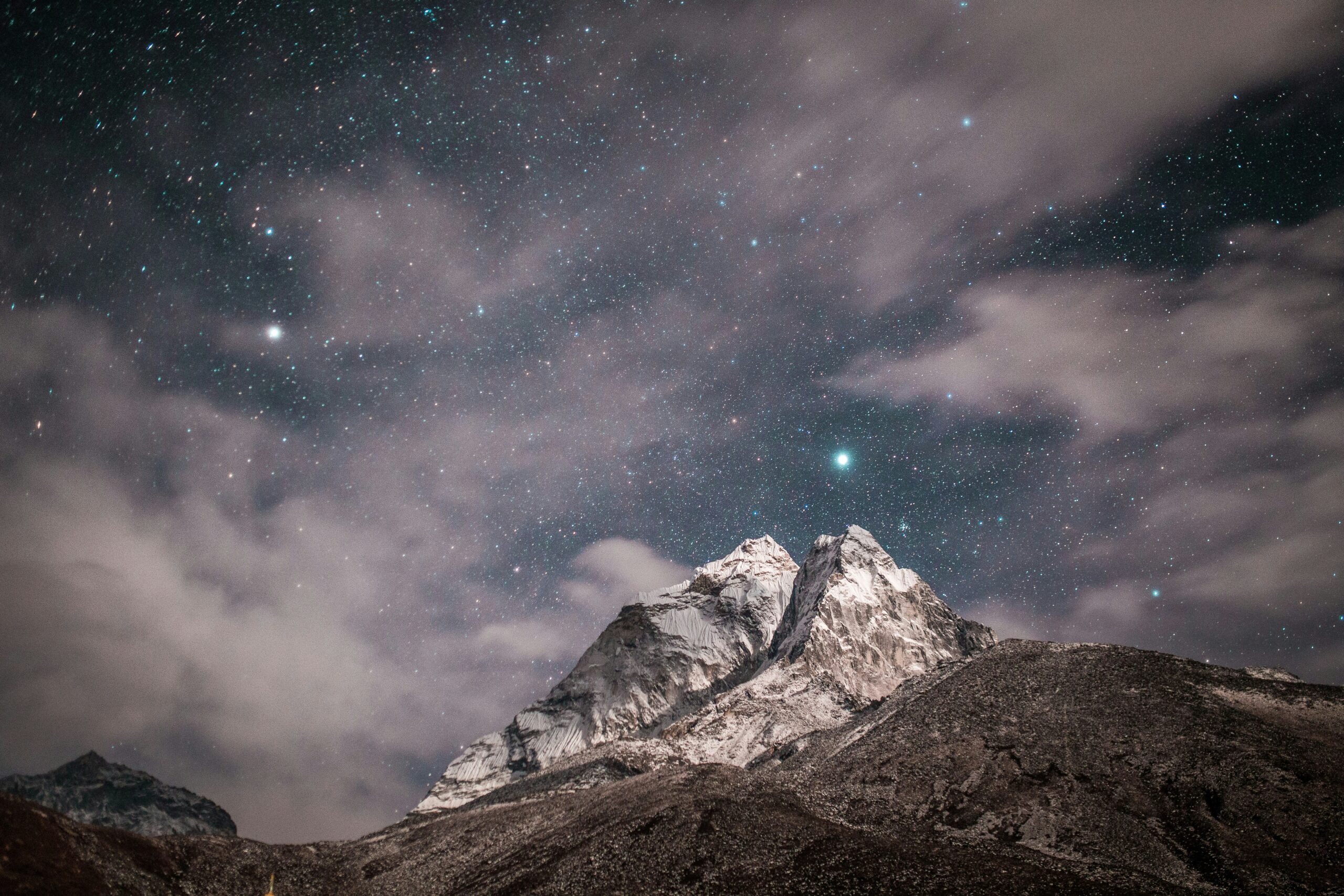
Everest Base Camp Heli Trek Overview
Annapurna Circuit Trek:
Explore the majesty of the Annapurna in a way that Sir Edmund Hillary had never been able to do.
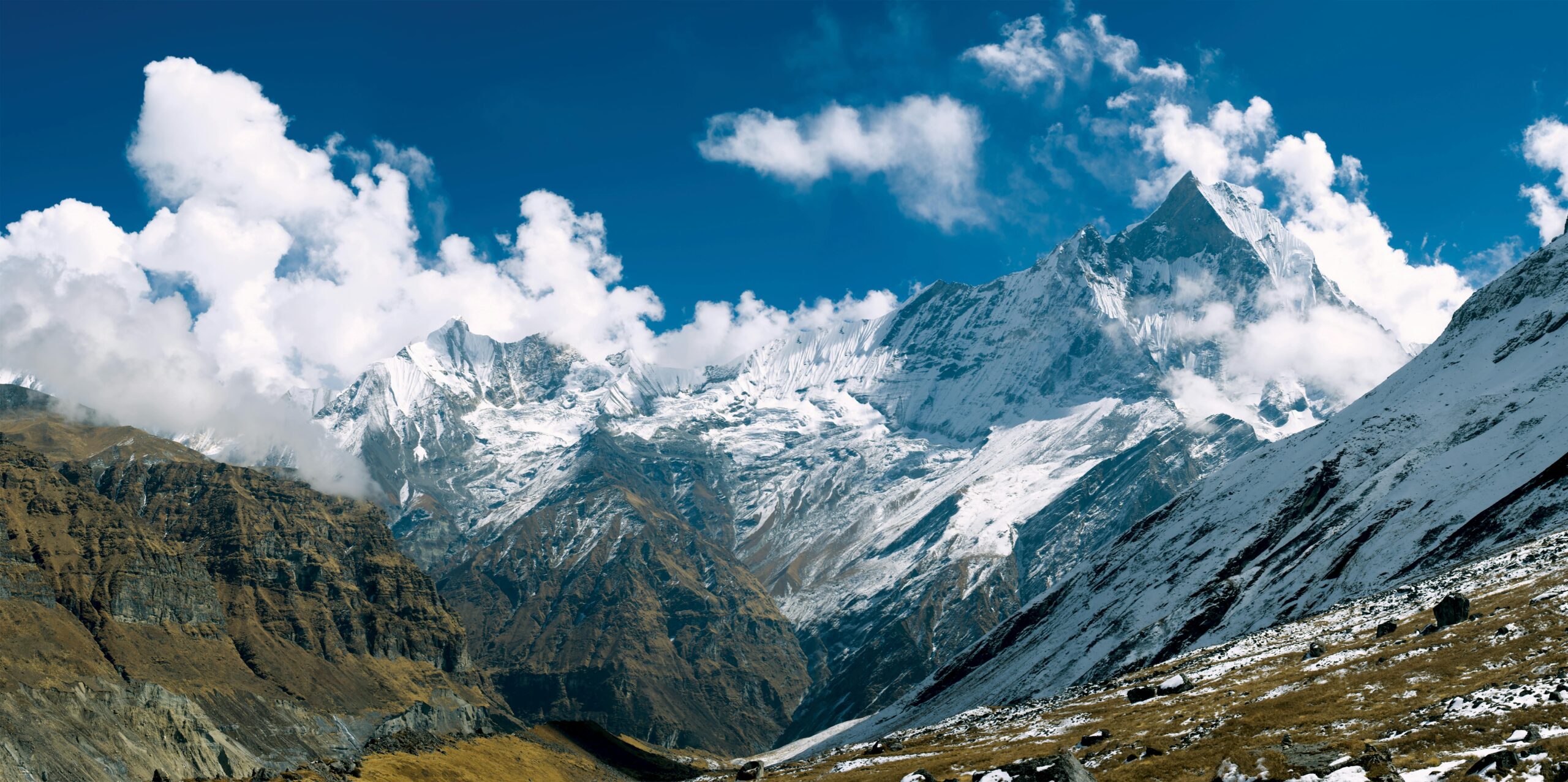
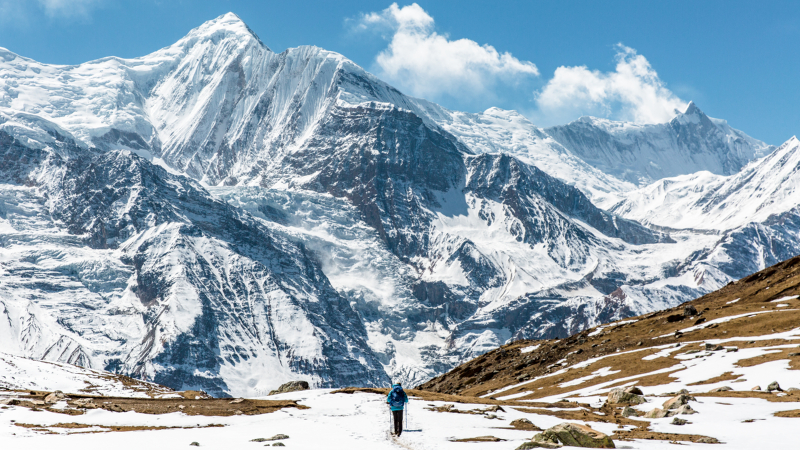
Annapurna Circuit trek circles you around the gorgeous Annapurna massif, in the anticlockwise direction, through the classic trails overlooking the extensive views of lush hills, deep valleys, raging rivers, serene monasteries, colorful Chortens, vibrant Mani walls, dangling suspension bridges, unwinnable Himalayan vistas. This trek is the best possible way to completely explore the charm of Annapurna and its other neighboring pinnacles.
Back in the days before 2000, the trail around the Annapurna circuit was completely natural and off-the-beaten. Many people explored the beauty of Annapurna on foot, and this trek was considered one of the best trekking trails in the world. However, after 2008, the government roadways planned to gravel the classic routes and, consequently, made this trek infamous. Not until the New Annapurna Trekking Trail (NATT) was marked by a few explorers that the trekkers regained an opportunity to enjoy the same classic views without even approaching the dusty roadways, except at some points. The name of the trail has now been transformed into Natural Annapurna Trekking Trails (NATT) as the trails are no longer new.
Planning:
The trek to Annapurna Circuit includes difficult terrain with inclinations and declines. Spend some time getting ready physically for a smoother encounter. Start a fitness regimen a few weeks before your vacation, including aerobic exercises, weightlifting, and simulated treks to increase endurance. Additionally, this aids with acclimatization, a crucial component of your climb that will help you prevent altitude sickness. Create rest days into your schedule so that your body can gradually adjust to higher altitudes. Understand the signs of altitude sickness, and be ready to descend if required.
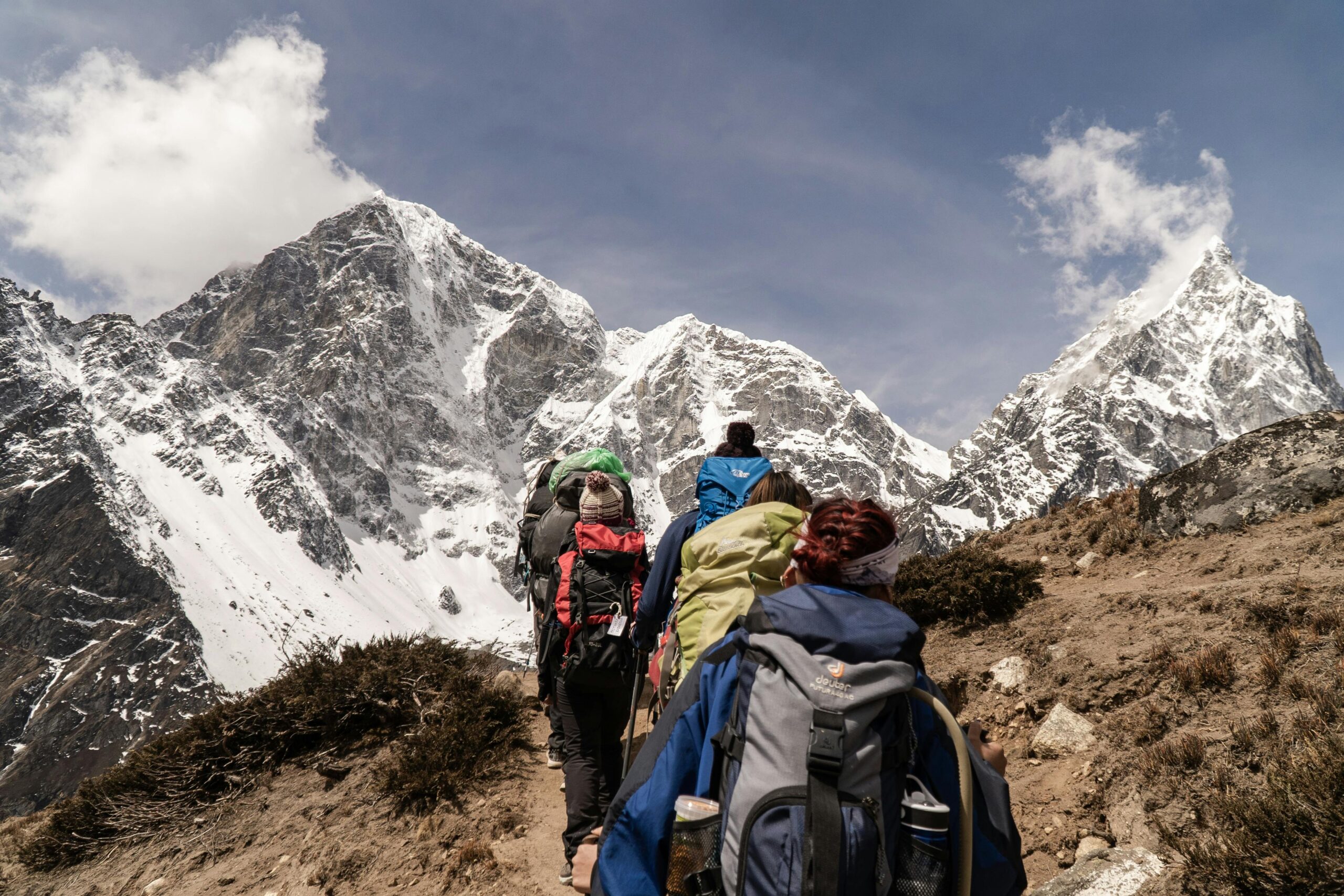
In a similar vein, thoughtful packing is essential for a pleasant walk. Pack layers of warm clothes as well as rain gear to prepare for different weather scenarios. Make sure you have the necessary equipment, including strong, comfortable hiking boots, a sleeping bag, trekking poles, and a rucksack that is well-organized. Maintain a small, well-equipped pack.
Best time to do Annapurna Circuit Trek?
The best time to trek to Annapurna Circuit Trek is frequently said to be in the spring, from March to May. You may enjoy expansive views of the Annapurna mountain range and neighboring peaks throughout the spring because of the great visibility that the season offers. The weather is often mild and pleasant at lower elevations, with daily temperatures averaging between 15°C and 20°C (59°F and 68°F).
Autumn (September to November) is a great time of year to go to Annapurna Base Camp and is very well-liked by trekkers. Similar to spring, autumn features a brilliant sky that is ideal for admiring breathtaking mountain landscapes. Daytime temperatures range from 15°C to 20°C (59°F to 68°F) at lower altitudes, allowing for comfortable trekking conditions.
Summer (June, July, and August) and monsoon seasons are not advised for the Annapurna Circuit Trek. The ordinary trekker cannot tolerate the bitter cold of winter (December, January, and February).
Food and Accommodations:
In renowned trekking destinations in Nepal like the Annapurna Circuit, food, and lodging are essential components. Teahouses or guesthouses are your main options for accommodation throughout your trip. These mountain refuges provide practical and cozy twin-sharing rooms with all the essentials, including mattresses and blankets. Electric blankets are often provided for additional warmth, which is a welcome relief during the chilly evenings at higher elevations. Teahouses offer a wide variety of food options that are catered to the varied dietary needs of trekkers. Eggs, pancakes, porridge, and Tibetan bread are common breakfast choices. They are accompanied by a variety of hot drinks, including masala chai and hot lemon, which provide a break from the chilly surroundings.
It is always advisable to consult your guide for food recommendations for a more healthy and hygienic option.
Transportation:
Our voyage generally begins in Kathmandu, Nepal's capital. We will take a bus or a private car to Besisahar, which is the Lamjung District's district headquarters and the beginning point for hikes in the Annapurna range. The journey from Kathmandu to Besisahar takes about 6-8 hours.
We will continue our journey after arriving in Besisahar by taking a local jeep or another mode of transportation to the village of Dharapani. The Manang is the region's final road-accessible settlement. You will, however, begin your walk on foot from Dharapani to Chame and then proceed to the goal.
When you reach Gandhruk, you may take a vehicle back to Pokhara and then another tourist bus back to Kathmandu.
Necessary Permits & TIMS:
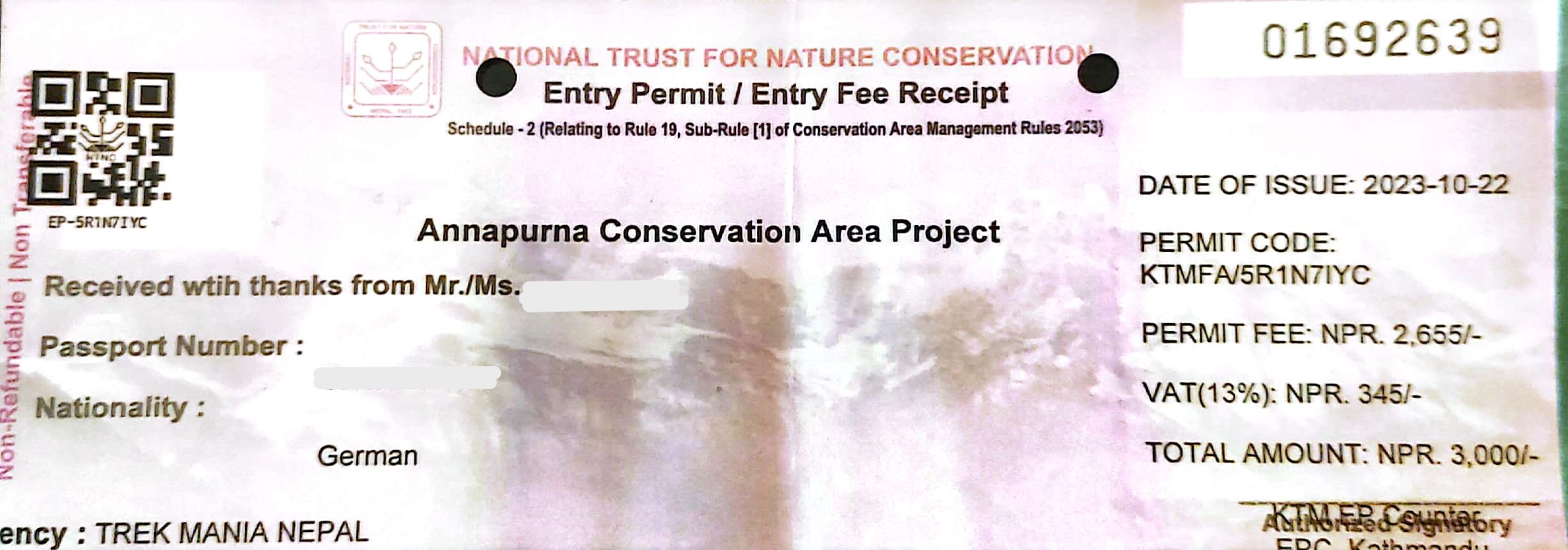
The Annapurna Base Camp walk necessitates the acquisition of certain licenses, including as the Annapurna Conservation Area Permit (ACAP) and the Trekkers' Information Management System (TIMS) card. These licenses are necessary for controlling trekking activities and assisting with conservation initiatives in the area.
1. Annapurna Conservation Area Permit (ACAP):
To visit the Annapurna area you must get an Annapurna Conservation Area Permit (ACAP). This protected area, noted for its breathtaking natural beauty, varied landscapes, and rich cultural history, is one of the most well-liked hiking areas in the nation.
Cost: Nrs 3000 per person
2. Trekker's Information Management System(TIMS):
For hikers in Nepal, the TIMS (Trekker's Information Management System) card is a necessary piece of identification. It was put into place to improve trekkers' safety and security while also assisting authorities in keeping track of travelers in various hiking locations.
Cost: Nrs 3000 per person for non SAARC tourists and Nrs 1000 for SAARC trekers.
Necessary documents for Permits:
You will only need your valid passport photocopy(validity of 6 months).
Route Map
View the detailed route map of the trek.